Plan the interfaces
Battery management, power conversion, PV, grid connection, and site loads need a shared view of responsibilities.
Energy Transition
Transition projects need technology conversations that account for generation, conversion, storage, control, and the operating reality of each site.
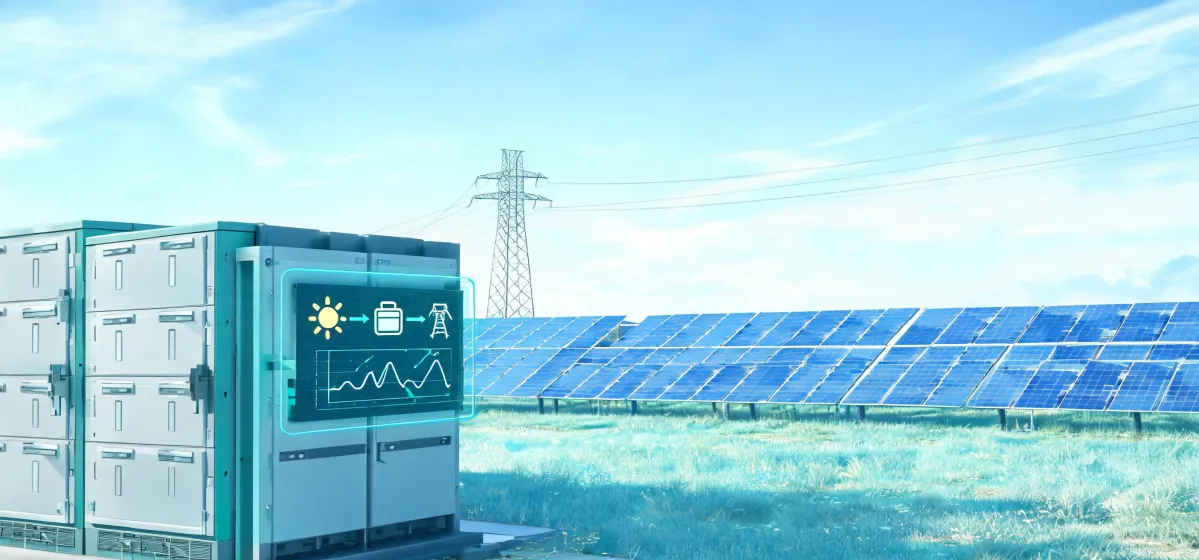
Battery management, power conversion, PV, grid connection, and site loads need a shared view of responsibilities.
Specification notes, installation guidance, and acceptance discussions should move with the project rather than remain isolated documents.
Use technical documentation to compare interfaces and intended operating conditions.
Keep key system decisions traceable across planning and deployment milestones.
Clarify where regional questions and post-installation discussions should go.
Selection note: LFP and NMC storage choices involve thermal behavior, energy density and lifecycle economics. Usable capacity, cycle life, C-rate and state-of-charge operating window must be verified for the intended duty cycle, together with the applicable UL 9540, UL 1973 and local installation requirements.
For a project review, document battery usable capacity in kWh, cycle life at the stated depth of discharge, state of charge, C-rate, battery management system, PCS and EMS interface. LFP versus NMC is an application-specific trade-off; the final scope must also verify UL 9540 / UL 1973 applicability, thermal management and the intended dispatch duration.